Lean
Master Healthy Cooking? Learn Essential Meal Prep Skills
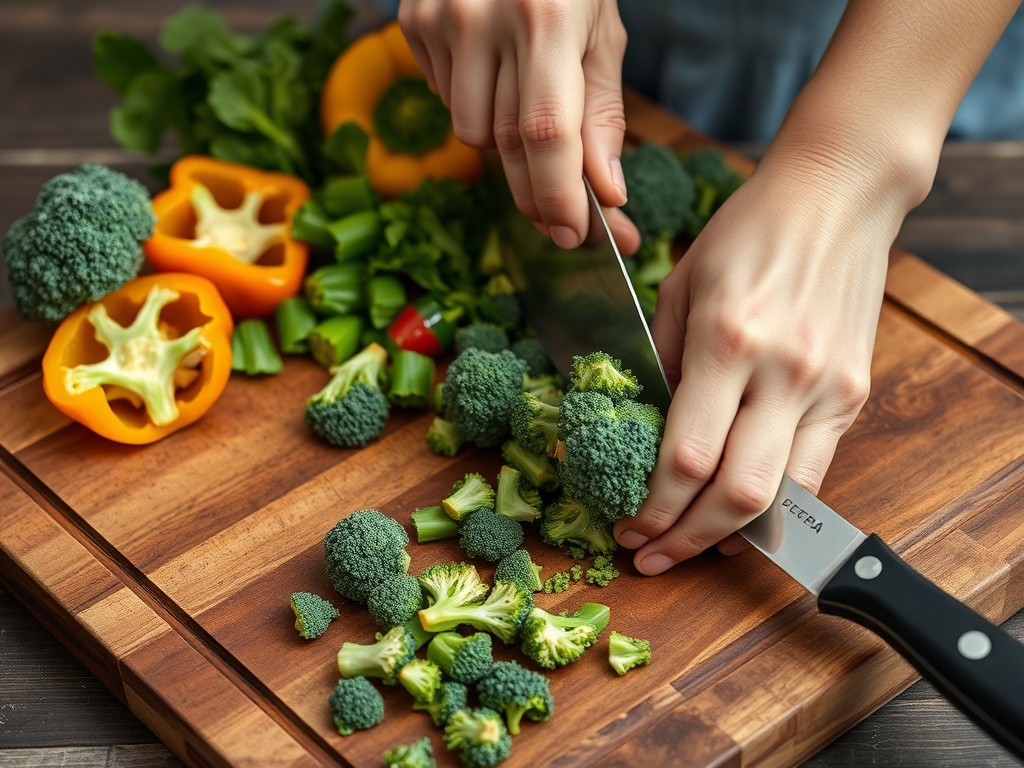
What is healthy meal preparation?
Healthy meal preparation isn't just about cooking—it's about building sustainable eating habits that nourish your body and mind. By planning nutritious meals ahead, you save time, reduce food waste, and make smarter dietary choices. Our comprehensive guide teaches you practical techniques for selecting fresh ingredients, proper food storage, balanced macronutrient planning, and simple cooking methods that preserve nutrients while creating delicious meals your whole family will enjoy.
Why is meal prep important for your wellness?
Meal preparation forms the foundation of a healthier lifestyle by empowering you to control ingredients, portions, and cooking methods. When you prepare meals at home, you eliminate hidden calories, reduce sodium intake, and avoid processed additives found in restaurant and takeout foods. Consistent meal prep also stabilizes blood sugar levels, increases energy throughout your day, and reduces stress around daily food decisions. It's an investment in your long-term health and vitality.
What are the core components of successful meal preparation?
Effective meal preparation combines several key elements: understanding nutrition fundamentals, mastering basic cooking techniques, learning proper food storage and safety, shopping strategically for quality ingredients, and planning balanced menus. You'll also develop time management skills to streamline your cooking process, discover kitchen tools that simplify preparation, and learn how to adapt recipes to your dietary preferences and restrictions. Our course covers all these areas systematically.
How do you plan balanced, nutrient-dense meals?
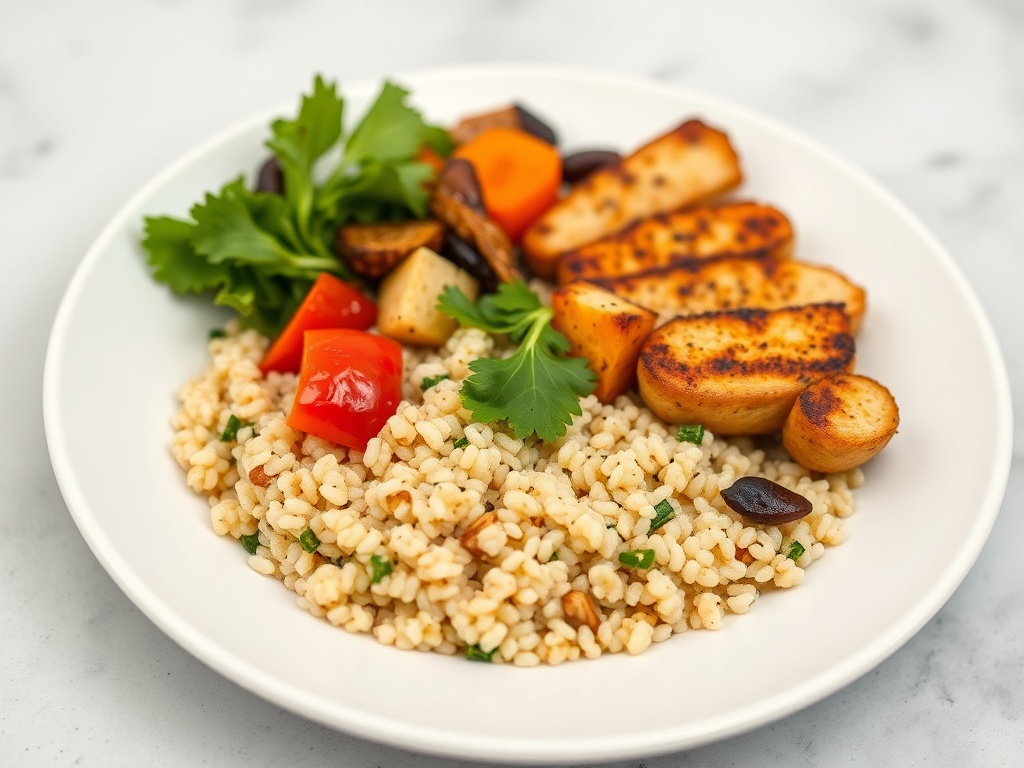
Planning balanced meals requires understanding macronutrients (proteins, carbohydrates, healthy fats) and micronutrients (vitamins and minerals). Start by choosing lean protein sources like chicken, fish, legumes, or tofu as your meal foundation. Add colorful vegetables for vitamins and fiber, select whole grains for sustained energy, and include healthy fats from nuts, seeds, and olive oil. Our course teaches you portion control guidelines and meal combination strategies that ensure every plate supports your health goals.
What cooking methods preserve the most nutrients?
Different cooking methods affect nutrient retention differently. Steaming, boiling, and light sautéing preserve water-soluble vitamins better than high-heat methods. Roasting and grilling develop flavors while maintaining most nutrients. Raw preparation keeps enzymes intact for certain vegetables and fruits. Understanding when to use each technique helps you maximize nutritional value. Our guide includes detailed instructions for each method, timing recommendations, and tips for making healthy foods taste absolutely delicious.
How do you store prepared meals safely?
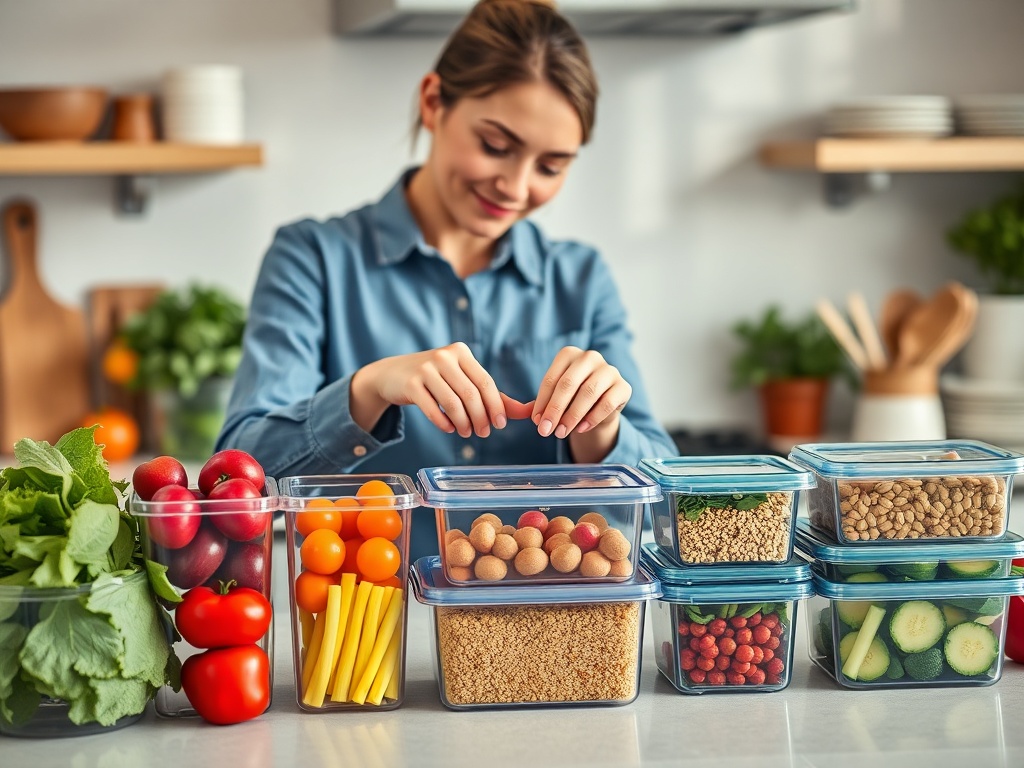
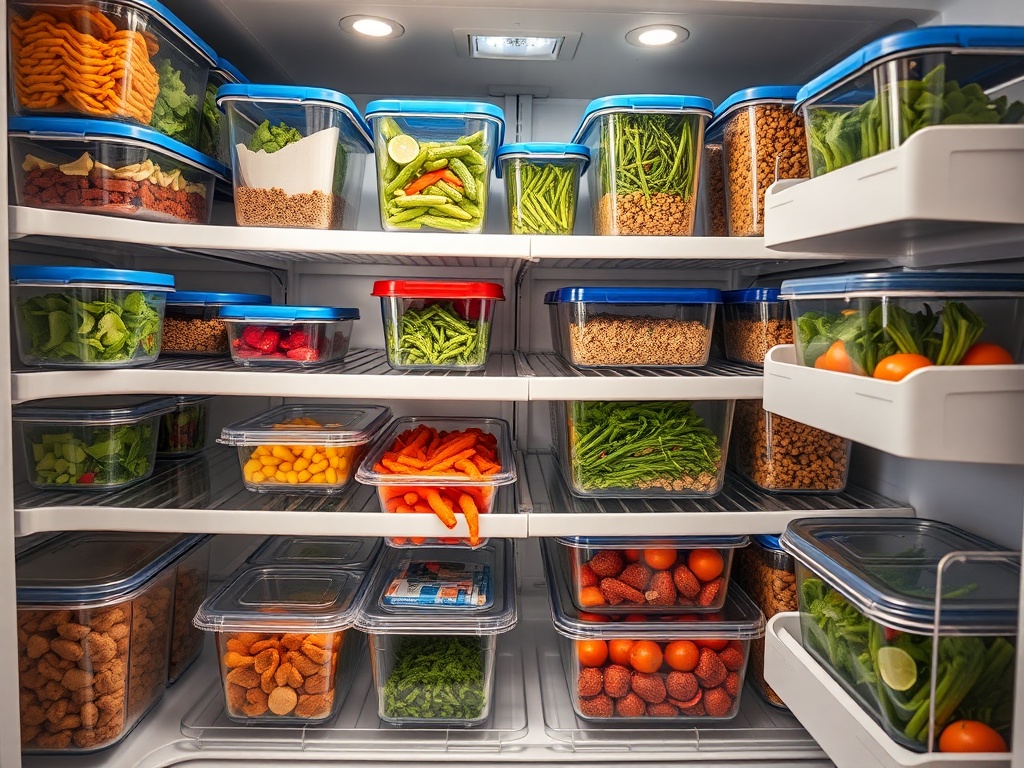
Proper food storage prevents spoilage and foodborne illness while maintaining nutritional quality and taste. Glass containers work best for storing prepared meals—they're durable, don't absorb odors, and transition easily from refrigerator to microwave. Learn the optimal temperature settings, understand shelf life for different foods, master freezing techniques for extended storage, and discover labeling systems that keep you organized. Our course covers USDA food safety guidelines and practical strategies for batch cooking.
Ready to Transform Your Kitchen Skills Into Daily Wellness?
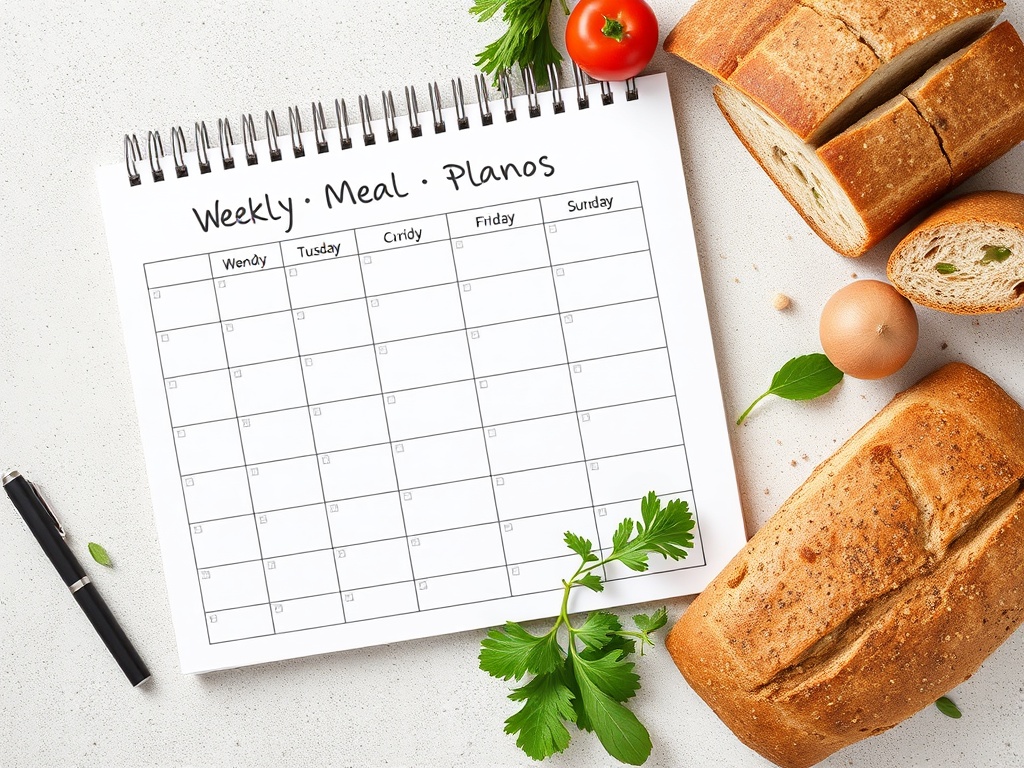
What ingredients should you always have available?
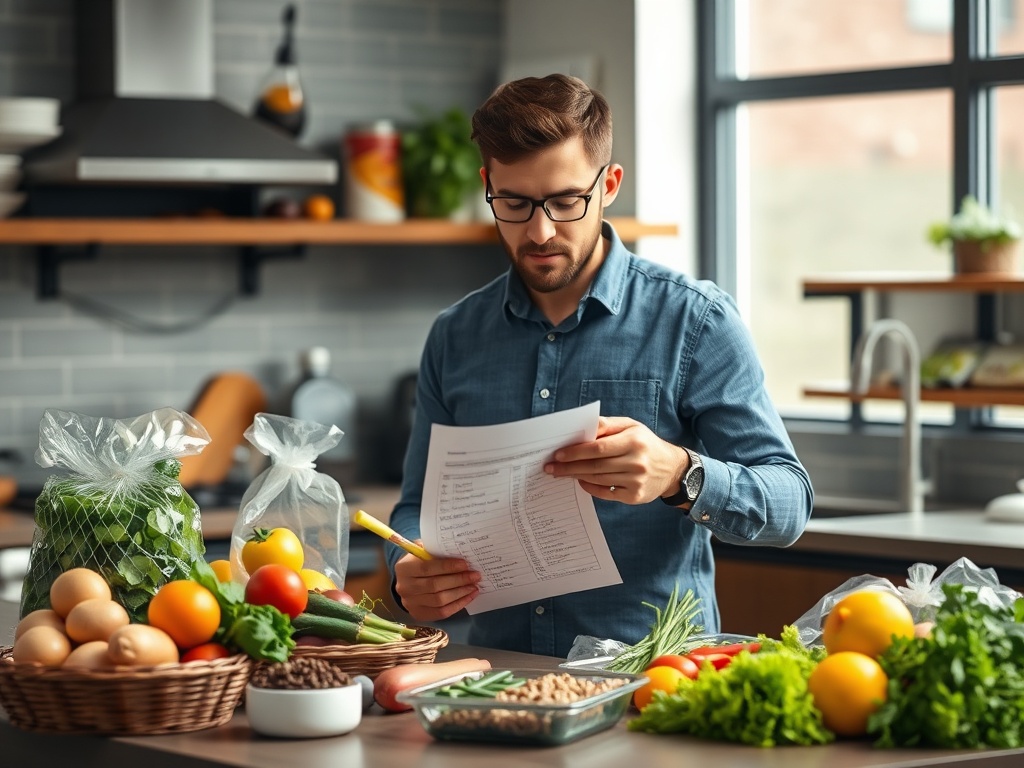
Building a well-stocked kitchen pantry enables you to create healthy meals without last-minute grocery runs. Essential staples include olive oil, various vinegars, spices and herbs, whole grains, legumes, nuts, and seeds. Fresh items include seasonal vegetables, fresh fruits, quality proteins, and low-fat dairy options. Keeping these ingredients on hand allows you to improvise nutritious meals quickly. Our course provides detailed shopping lists organized by category, money-saving tips for buying in bulk, and guidance on selecting the highest quality products within your budget.
How can you make healthy cooking convenient?
Convenience comes from smart planning and efficient systems. Prep vegetables on your day off, cook grains in bulk, marinate proteins ahead of time, and portion meals into grab-and-go containers. Invest in quality kitchen tools that cut preparation time significantly—a sharp knife, food processor, and instant-read thermometer make tremendous differences. Create simple recipes that taste amazing but require minimal steps. Our course includes time-saving techniques, weekend prep schedules, and recipes designed for busy lifestyles.
What nutrition fundamentals should every home cook understand?
Understanding basic nutrition transforms how you approach cooking and eating. Learn about protein's role in muscle maintenance and satiety, carbohydrates' importance for energy and brain function, and healthy fats' critical role in hormone production and nutrient absorption. Discover how fiber supports digestive health and stable blood sugar. Understand micronutrients and their sources. Our comprehensive course demystifies nutrition science and translates it into practical kitchen applications, helping you build intuitive eating wisdom.
How do you adapt favorite recipes for healthier versions?
You don't need to abandon favorite recipes—you can healthify them strategically. Substitute refined grains with whole grains, use Greek yogurt instead of sour cream, reduce sodium gradually, incorporate more vegetables, and use cooking methods requiring less oil. Many beloved dishes improve nutritionally while maintaining their delicious character. Our course teaches substitution principles, flavor compensation techniques, and how to satisfy cravings while supporting health goals. You'll learn that healthy eating isn't about restriction.
What tools and equipment make meal prep easier?
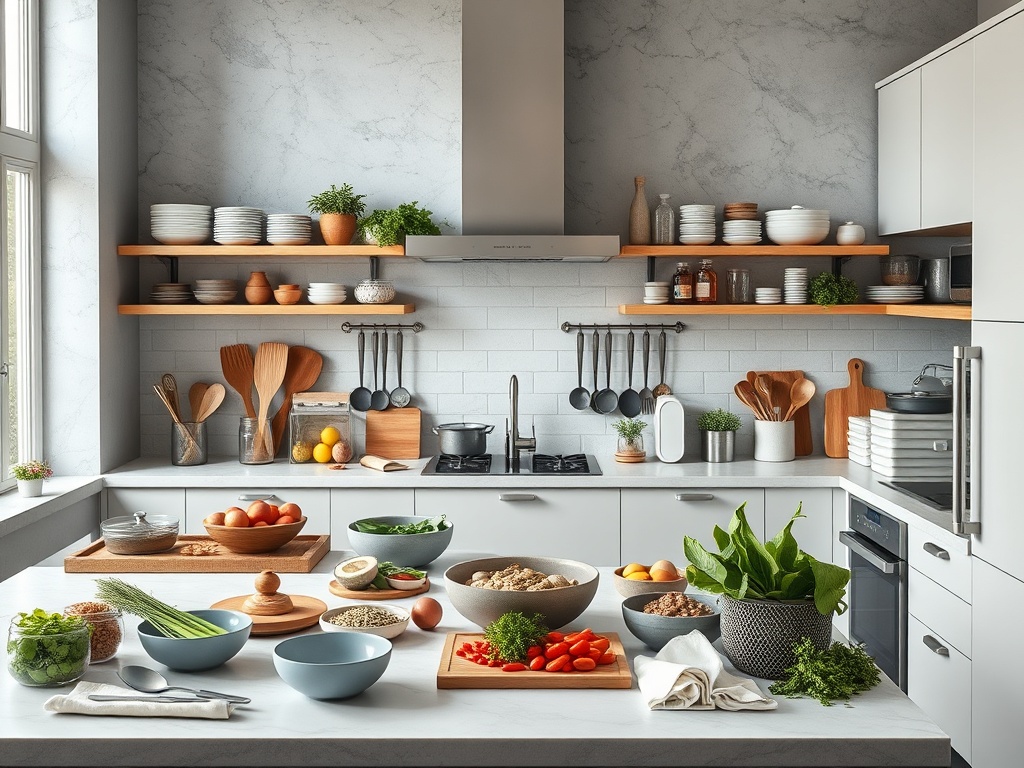
Essential tools transform meal prep from overwhelming to enjoyable. Sharp knives reduce cutting time and frustration. Food scales ensure accurate portions. Storage containers organize your refrigerator efficiently. Slow cookers and instant pots streamline cooking. Mixing bowls, cutting boards, measuring cups, and measuring spoons complete your basics. Quality doesn't require expensive gadgetry—thoughtful choices matter most. Our guide recommends specific tools with price ranges, explains which items offer best value, and shows how to use equipment effectively.
How do you maintain motivation for healthy cooking?
Staying motivated involves finding genuine enjoyment in cooking and seeing real results. Celebrate small victories, experiment with new recipes regularly, involve family members, and focus on how you feel—not just how you look. Keep a food journal tracking energy levels and wellness improvements. Join supportive communities of like-minded people. Remember that one imperfect meal doesn't derail your journey. Our course includes motivational strategies, progress tracking tools, and community connection opportunities.
Get your free healthy cooking starter guide
Join thousands learning practical nutrition and cooking skills